Ledger.com/start: Complete Guide to Setting Up Your Ledger Wallet
Ledger.com/start is the official starting point for setting up your Ledger hardware wallet and beginning your journey into secure cryptocurrency management. Whether you are a beginner or an experienced user, following the correct setup procedures is essential for maintaining security and ensuring safe management of digital assets.
This guide provides a detailed overview of Ledger.com/start, including step-by-step setup instructions, Ledger Live installation, secure login procedures, account management, transaction handling, recovery strategies, common mistakes to avoid, and best practices for long-term cryptocurrency security.
What Is Ledger.com/start?
Ledger.com/start serves as the official entry point for configuring and activating your Ledger hardware wallet. It provides users with all the necessary tools and instructions to set up their wallets securely. Unlike software wallets, Ledger hardware wallets keep private keys offline, reducing the risk of hacking or theft.
Ledger.com/start guides users through:
Installing Ledger Live, the companion software for hardware wallets
Initializing a new hardware wallet or restoring an existing wallet
Creating a secure PIN
Recording and verifying the recovery phrase
Managing accounts and cryptocurrencies securely
Following the instructions on Ledger.com/start ensures your digital assets remain safe from unauthorized access.
Step 1: Unboxing and Inspecting Your Ledger Wallet
When you first receive your Ledger wallet, carefully inspect the package to ensure it has not been tampered with. Ledger hardware wallets come in sealed packaging, and any signs of damage or tampering should be reported immediately.
Once verified, unbox the device and check that all components are included:
Ledger hardware wallet
USB cable for connecting to a computer
Recovery phrase cards
Instruction manual
Proper inspection is the first step to ensuring a secure setup.
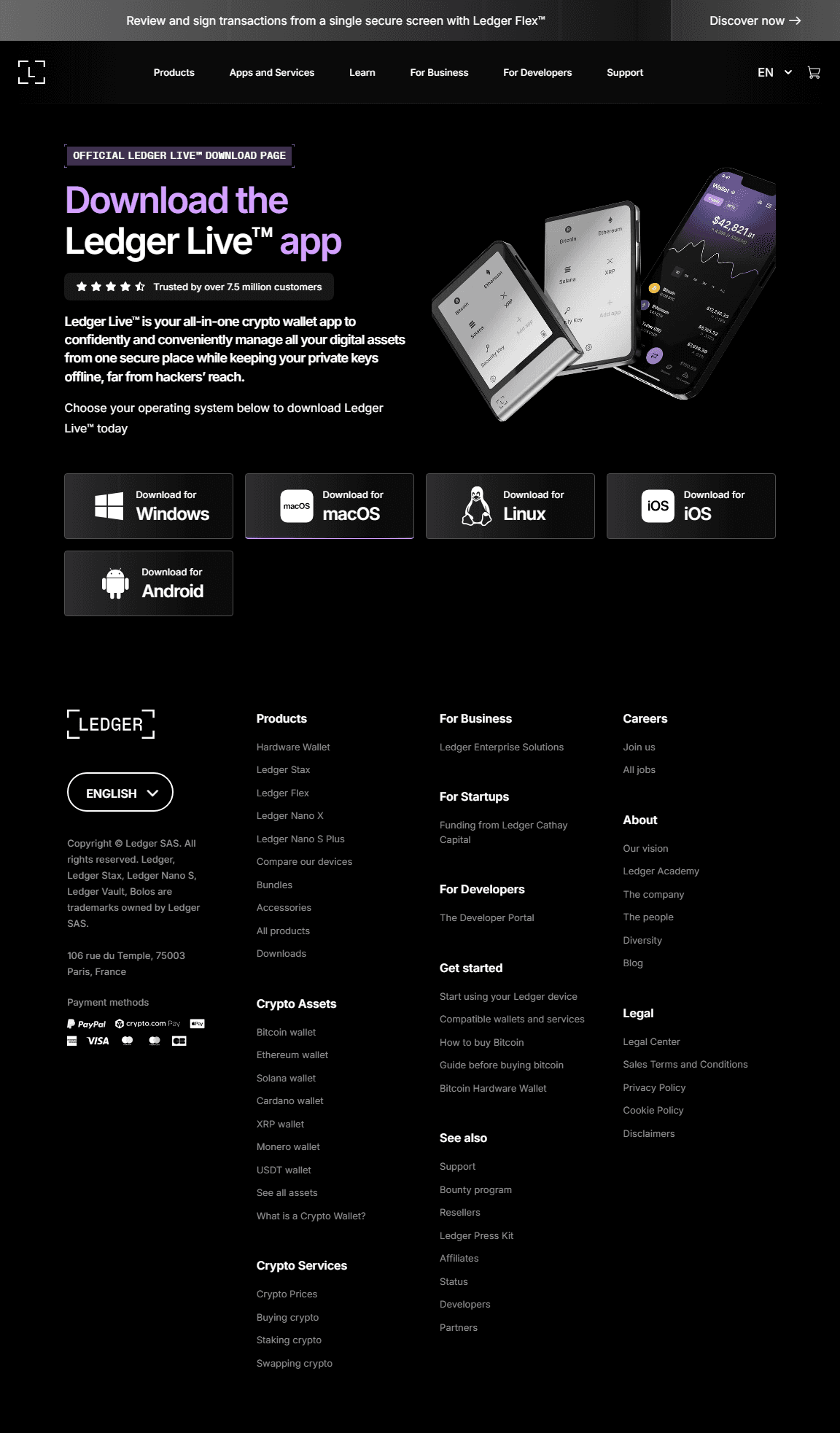
Step 2: Installing Ledger Live
Ledger Live is the official software interface for Ledger wallets. It allows users to manage multiple cryptocurrency accounts, view portfolio balances, and perform secure transactions.
Installation Steps:
Go to the official Ledger Live download page.
Select your operating system (Windows, macOS, Linux, or mobile).
Download and install the Ledger Live application.
Open the application and follow the prompts to begin setup.
Installing Ledger Live on a trusted device ensures your wallet setup remains secure.
Step 3: Initializing Your Ledger Wallet
After installing Ledger Live, the next step is to initialize your Ledger wallet.
Connect the hardware wallet to your computer using the provided USB cable.
Power on the device and select "Set up as new device" on the Ledger interface.
Choose a PIN code for device access. The PIN ensures that only authorized users can access the wallet.
Record your recovery phrase on the provided cards. The recovery phrase is a critical backup that allows you to restore your wallet if the device is lost, stolen, or damaged.
Verify your recovery phrase by entering it on the Ledger device as prompted.
Initialization ensures your wallet is fully configured and ready for secure cryptocurrency management.
Step 4: Adding Accounts in Ledger Live
Once the wallet is initialized, Ledger Live allows you to add cryptocurrency accounts.
Open Ledger Live and navigate to the "Accounts" section.
Select "Add Account" and choose the cryptocurrency you want to add.
Follow the prompts to synchronize the account with your Ledger wallet.
Repeat the process for each cryptocurrency you wish to manage.
Ledger Live supports multiple accounts and cryptocurrencies, allowing you to manage all your assets from a single interface while maintaining strong security.
Step 5: Secure Ledger Live Login
Logging in to Ledger Live requires connecting your hardware wallet and entering your PIN on the device. This ensures that private keys never leave the device and protects your assets from unauthorized access.
Steps for secure login:
Connect your Ledger device to a trusted computer or mobile device.
Open Ledger Live and wait for the device to be recognized.
Enter the PIN on the Ledger wallet to confirm access.
Once authenticated, access your cryptocurrency accounts and portfolio.
Each login requires confirmation on the device, adding an extra layer of security.
Step 6: Sending and Receiving Cryptocurrencies
Ledger.com/start guides users through the process of sending and receiving cryptocurrencies securely.
Sending:
Open Ledger Live and select the account you want to send from.
Enter the recipient's address and the amount to send.
Confirm the transaction on the Ledger device.
Wait for blockchain confirmation.
Receiving:
Open Ledger Live and select the account to receive into.
Share your wallet address with the sender.
Confirm the transaction on Ledger Live once received.
Ledger Live ensures that all transactions are verified on the hardware device, reducing the risk of fraud or errors.
Step 7: Recovery and Backup
A recovery phrase is critical for wallet restoration. Ledger.com/start emphasizes secure management of the recovery phrase.
Best practices include:
Writing the recovery phrase on provided cards or durable metal backups.
Storing the phrase offline in a secure location.
Never sharing the recovery phrase digitally or online.
Verifying the phrase during wallet setup to prevent errors.
Proper management of your recovery phrase ensures long-term access to your cryptocurrency assets.
Common Mistakes to Avoid
Ledger.com/start highlights several common setup mistakes that users should avoid:
Storing recovery phrases online or digitally
Sharing PINs or recovery phrases
Skipping firmware updates
Approving transactions without verification
Logging in on untrusted devices
Being aware of these mistakes can help maintain maximum security for your assets.
Best Practices for Using Ledger Wallets
To maximize security and efficiency:
Only connect your Ledger device to trusted computers or mobile devices.
Enter PINs directly on the hardware wallet.
Carefully review all transaction details before confirming.
Keep recovery phrases offline and secure.
Regularly update firmware to protect against vulnerabilities.
Following these best practices ensures safe and effective cryptocurrency management.
Long-Term Benefits of Ledger Wallets
Using Ledger hardware wallets via Ledger.com/start provides long-term security advantages:
Continuous offline protection of private keys
Reliable wallet restoration in case of device loss or damage
Strong resistance to phishing, malware, and hacking attempts
Efficient management of multiple accounts and cryptocurrencies
Confidence in secure transactions and asset protection over time
Ledger.com/start ensures users maintain full control over their digital assets while benefiting from industry-leading security features.
Conclusion
Ledger.com/start is the official starting point for securely setting up and managing your Ledger hardware wallet. By following the steps outlined in this guide—unboxing, installing Ledger Live, initializing the wallet, logging in, managing accounts, performing transactions, and securing the recovery phrase—you can ensure maximum protection of your cryptocurrency assets.
Adhering to best practices, avoiding common mistakes, and maintaining firmware updates are essential for long-term wallet security. Ledger.com/start provides both guidance and tools, allowing users to safely manage cryptocurrencies with confidence.